
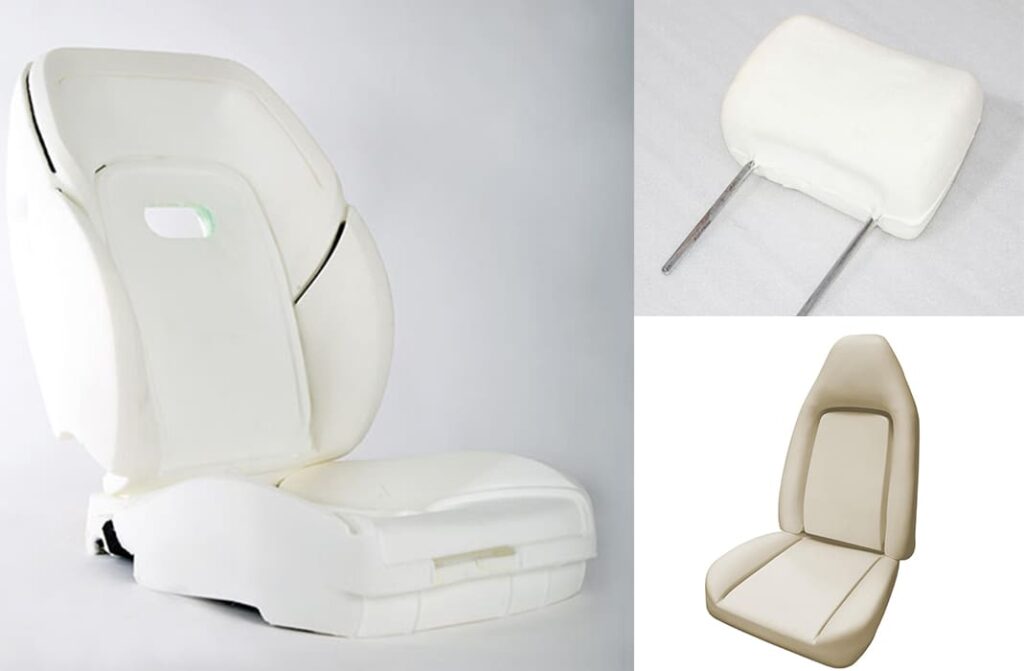
Why Moulded Foam Is the Preferred Choice for Automotive Seating
Comfort is one of the first things people notice when they sit in a vehicle. Whether it is a private car, commercial bus, tricycle or other form of transportation, the quality of the seat can significantly affect the overall experience of both drivers and passengers. Behind that comfort is an important material: moulded polyurethane foam.
Moulded foam has become a preferred choice for automotive seating because it combines comfort, durability, flexibility and design precision. Unlike conventional foam that is cut from larger blocks, moulded foam is produced inside specially designed moulds, allowing manufacturers to create specific shapes, contours and firmness levels for different seating applications.
What Is Moulded Foam?
Moulded foam is polyurethane foam manufactured by pouring a specially formulated liquid mixture into a mould. As the material expands and cures, it takes the exact shape of the mould. This manufacturing process allows foam components to be produced with defined curves, contours, thicknesses and support zones.
For the automotive industry, this is particularly important because vehicle seats are not simply flat cushions. They are carefully designed to provide support, maintain their shape and fit precisely within the structure of the vehicle.
1. Better Comfort for Drivers and Passengers
One of the biggest advantages of moulded foam is its ability to provide consistent comfort. Automotive seats are used for different lengths of time. While some journeys may last only a few minutes, drivers and passengers can sometimes remain seated for several hours.
A properly designed moulded foam seat can distribute body weight more evenly and provide support in important areas of the seat. The foam can also be manufactured in different densities and firmness levels depending on the intended application.This makes moulded polyurethane foam suitable for different categories of vehicles, from private cars to commercial transportation.
2. Improved Shape and Ergonomic Support
Modern automotive seats are designed around the shape of the human body. The flexibility of moulded foam manufacturing makes it possible to create carefully defined contours that support the body while seated.Manufacturers can develop foam components with raised edges, curved backrests, lumbar support areas and other structural features.
Instead of forcing a simple block of foam into a complex seat structure, moulded foam can be manufactured to fit the required design from the beginning. This gives vehicle manufacturers and seat producers greater control over the final shape and functionality of the seat.
3. Greater Durability for Everyday Use
Automotive seating must withstand constant use. Commercial vehicles, in particular, may carry passengers throughout the day, placing continuous pressure on their seats. Poor-quality seating materials can quickly lose their shape, compress or become uncomfortable.
Moulded polyurethane foam is designed to provide resilience and maintain its structure under repeated use.When the correct foam density and formulation are used, the seat can retain its supportive properties for longer, helping manufacturers produce more durable seating solutions.
For businesses operating fleets, transportation services or vehicle assembly operations, durability can also reduce the frequency of seat repairs and replacements.
4. Consistent Quality During Production
Consistency is extremely important in automotive manufacturing. If a vehicle manufacturer requires hundreds or thousands of identical seat components, every foam piece needs to meet the same specifications.
Because moulded foam is produced using predefined moulds, manufacturers can achieve greater consistency in:
- Shape
- Dimensions
- Thickness
- Density
- Firmness
- Overall appearance
This makes moulded foam particularly suitable for large-scale automotive production where uniformity and repeatability are essential.
5. Greater Design Flexibility
Vehicle manufacturers are constantly introducing new interior designs. Seats are no longer created solely for functionality. Comfort, aesthetics, space management and passenger experience are all important considerations.
Moulded foam provides manufacturers with the flexibility to create unique seat designs that fit specific vehicle interiors. Depending on production requirements, moulded polyurethane foam can be developed for applications such as:
- Car seats
- Bus seats
- Commercial vehicle seating
- Tricycle seats
- Driver seats
- Passenger seats
- Seat backs
- Headrests
- Armrests
This versatility makes moulded foam useful across several areas of automotive seating production.
6. Efficient Use of Material
Traditional foam fabrication often involves cutting foam blocks into specific shapes. Depending on the design, this process can create offcuts and additional material waste. With moulded foam production, the material expands directly inside the required mould.
This allows manufacturers to produce complex shapes more efficiently while reducing the need for extensive cutting and shaping after production. For large-volume manufacturing, improved material efficiency can contribute to better production management and more consistent output.
7. Customisation for Different Automotive Applications
Not every vehicle requires the same type of seat. A commercial bus seat may have different requirements from a private car seat. Likewise, a driver’s seat may require a different level of support compared with a passenger seat.
One of the major benefits of moulded polyurethane foam is the ability to customise important characteristics during production. Manufacturers can develop seating foam according to specific requirements relating to size, shape, firmness, density and application.
This makes moulded foam an important solution for automotive manufacturers looking for seating components that meet their particular production specifications.
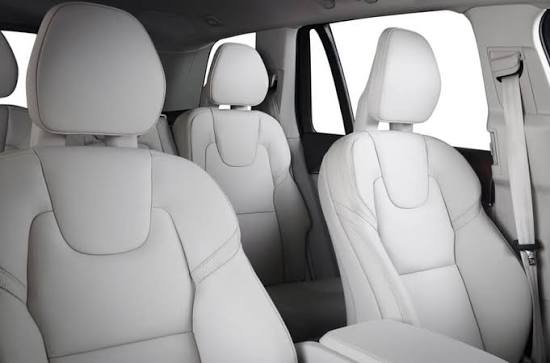
Moulded Foam Manufacturing in Nigeria
As Nigeria’s automotive, transportation and manufacturing industries continue to develop, access to locally manufactured components can help businesses improve production efficiency and reduce dependence on imported materials.
Vitavisco Nigeria Limited manufactures polyurethane foam products for a range of applications, including moulded foam solutions for the automotive and seating industries.
With the ability to manufacture foam products to defined specifications, Vitavisco supports businesses looking for reliable foam solutions for vehicle seating and other specialised applications.
Conclusion
Automotive seating requires more than just soft cushioning. It must provide comfort, support, durability, consistency and the flexibility to fit different vehicle designs. Moulded polyurethane foam offers these advantages while giving manufacturers greater control over the shape and performance of their seating components.
From private vehicles to commercial transportation, moulded foam continues to play an important role in creating seating solutions designed for everyday use.
For automotive manufacturers, vehicle assemblers, seat manufacturers and businesses looking for moulded foam solutions in Nigeria, Vitavisco Nigeria Limited provides locally manufactured polyurethane foam products designed for different seating and industrial applications.
Need moulded foam manufactured to your specifications?
Contact Vitavisco Nigeria Limited to discuss your automotive seating requirements.